

Does Medicaid Cover Incontinence Supplies for Dementia or Alzheimer’s Patients?
Bowel and urinary incontinence are not uncommon with Alzheimer’s disease and dementia diagnoses. That can mean adult diapers, protective underwear, booster pads, and underpads are essential for Alzheimer’s and dementia patients, helping preserve dignity and comfort as cognitive decline progresses.
For families relying on Washington, Oregon, or Idaho Medicaid, Medicaid may cover incontinence supplies for dementia or Alzheimer’s patients, as long as specific requirements have been met.
 Here’s why, looking at:
- Why Dementia & Alzheimer’s Often Lead to Incontinence
- Medicaid Requirements for Incontinence Supplies in WA, OR & ID
- Diagnoses That Can Improve Approval
- What Products Medicaid May Cover
- Prescription & Documentation Requirements
- How MyMedSupplies Helps Families Navigate Medicaid
- FAQs
Understanding these steps can significantly increase the likelihood of approval and reduce delays in receiving medically necessary incontinence supplies.
Why Dementia & Alzheimer’s Often Lead to Incontinence
Incontinence in dementia patients is neurological, not simply age-related. With that, as Alzheimer’s disease progresses, damage to the brain can impact:
- Recognition of bladder signals
- Ability to communicate urgency
- Mobility and bathroom navigation
- Behavioral control
- Awareness of hygiene needs
This frequently results in:
|
|
In moderate to late-stage dementia, incontinence is extremely common and often permanent, making long-term use of adult incontinence supplies medically necessary.
Need help confirming whether your loved one qualifies?
MyMedSupplies can verify Medicaid eligibility in Washington, Oregon, or Idaho and review your situation at no cost.
Medicaid Requirements for Incontinence Supplies in WA, OR & ID
 Medicaid does not approve supplies based on a dementia or Alzheimer’s diagnosis alone. Instead, Apple Health, OHP, Idaho Medicaid, and other state-run Medicaid programs evaluate:
- Documented urinary and/or fecal incontinence
- Medical necessity of protective products
- Ongoing need
- Prescription validity and details
- State-specific compliance requirements
So, while dementia can strengthen the medical case, the incontinence diagnosis must be clearly documented.
If you are unsure about documentation requirements, contact. MyMedSupplies. We review prescriptions and medical notes before submission to reduce denial risk.
Diagnoses That Can Improve Medicaid Approval
When it comes to Alzheimer’s, dementia, and Medicaid approvals, healthcare providers should use specific, recognized diagnostic terms.
Common examples include (and are not limited to):
|
|
Specific diagnostic language can increase the chances of approval across Washington Apple Health, Oregon OHP, Idaho Medicaid, and related programs.
On the other hand, vague terms like “leakage” often result in delays.
What Incontinence Supplies Medicaid May Cover
 Upon approval, Medicaid in WA, OR, and ID may cover:
- Adult Incontinence Products
- Disposable adult briefs (tab-style adult diapers)
- Protective underwear (pull-ups)
- Booster pads
- Bladder control pads
- Underpads (bed pads or “chux”)
Monthly quantities depend on documented severity and frequency, with states setting maximum allotments.
When justified, Medicaid may approve higher monthly limits with the proper prior authorizations.
Want to know how many supplies your plan allows?
Prescription & Documentation Requirements
Medicaid requires a complete prescription from a licensed provider. This prescription for Medicaid incontinence supplies must include:
|
|
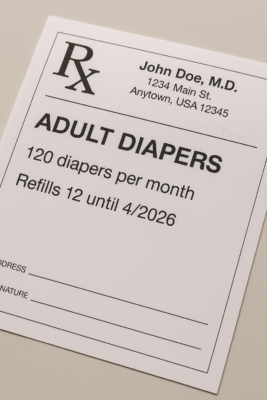 Along with this prescription, strong documentation for dementia-related incontinence should include details regarding:
- The diagnosis of Alzheimer’s disease or dementia
- Cognitive impairment affecting toileting
- Frequency of accidents
- Day and nighttime protection needs
- Risk of skin breakdown
Here’s an example of these documentation details:
Patient with moderate-stage Alzheimer’s experiences daily urinary and fecal incontinence due to cognitive impairment and requires disposable briefs 24 hours per day.
How MyMedSupplies Supports Dementia & Alzheimer’s Families
Managing Alzheimer’s-related incontinence is undeniably demanding. Medicaid paperwork should not add to that burden.
That’s why MyMedSupplies specializes in Medicaid-covered incontinence supplies in:
|
Washington
|
Oregon
|
Idaho
|



At MyMedSupplies, we:
|
✔ Support you through the process |
Because we focus specifically on Medicaid, we understand Apple Health, OHP, and Idaho Medicaid nuances that general suppliers often overlook.
Ready to simplify the process?
Contact MyMedSupplies today to start your Medicaid verification.
Frequently Asked Questions
Navigating Medicaid coverage for adult diapers vs pull-ups and other incontinence supplies can feel overwhelming. That’s never more true when you may be caring for someone with Alzheimer’s disease or dementia-related cognitive decline.
To help you navigate coverage and next steps, here are some helpful answers.
1. Does Medicaid cover adult diapers for Alzheimer’s patients?
 Yes, but not automatically.
Medicaid may cover adult diapers, pull-ups, and underpads when urinary or fecal incontinence is medically documented and prescribed.
2. How do I qualify for Medicaid incontinence supplies?
You must have documented incontinence, a complete prescription, and prior authorization, when required.
Medicaid reviews medical necessity before approval.
3. What if Medicaid denies coverage for incontinence supplies?
Most denials are documentation-related.
Updated prescriptions or additional medical necessity language often resolve the issue.
Appeals are available when appropriate.
Get the Medicaid-Covered Incontinence Supplies Your Loved One Needs

Incontinence is a common, challenging complication of Alzheimer’s disease and dementia.
If you care for someone with dementia or Alzheimer’s and need help securing Medicaid-covered adult diapers, pull-ups, booster pads, or underpads, contact MyMedSupplies.
We offer personalized assistance for eligibility verification, paperwork, home deliveries, and more.
Explore More Medicaid Tips & Insights
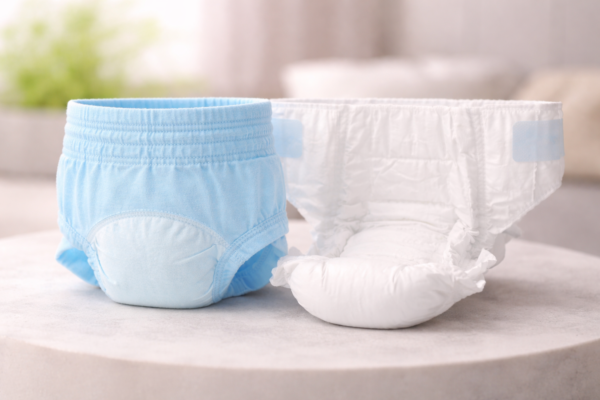
Pull-Ups vs Adult Diapers: What Does Medicaid Cover and What’s Best?
How to Select the Right Incontinence Products & Navigate Medicaid Coverage Choosing between pull-ups vs...
Mar

Does Medicaid Cover Incontinence Supplies for Dementia or Alzheimer’s Patients?
Bowel and urinary incontinence are not uncommon with Alzheimer’s disease and dementia diagnoses. That can...
Feb

What If Medicaid Denies My Request for Incontinence Supplies?
Medicaid denials for incontinence supplies can be discouraging, especially when you or someone you care...
Jan

November Is Bladder Health Awareness Month
Summary November is Bladder Health Awareness Month, spotlighting common bladder issues like incontinence, UTIs, and...
Oct

Can I Get Free Adult Diapers with Washington Apple Care?
Summary Washington Apple Health (Medicaid) does cover free adult diapers, but eligibility depends on medical...
Oct
Do I Need a Prescription to Get Free Diapers Through Medicaid?
Summary Medicaid in Washington, Oregon, and Idaho requires a prescription for free incontinence supplies, including...
Oct

All About Postpartum Incontinence: Causes, Solutions & Expert Advice
Summary Postpartum incontinence affects about 1 in 3 women after childbirth, often caused by pelvic...
Oct

When to See a Doctor for Urinary Incontinence
Summary Urinary incontinence affects about 25 million Americans, yet it remains under-discussed, leaving many to...
Oct

Why the Bathroom Is the #1 Hotspot for Falls
Bathrooms may be small, but they’re packed with risk. From slippery surfaces to hard fixtures...
Sep